Jak trenować refleks wyścigowy bez jazdy
In racing, a fraction of a second can make the difference between avoiding an incident and hitting the car ahead. But quick reactions are not just about how fast you move your foot. They also depend on how accurately you respond.
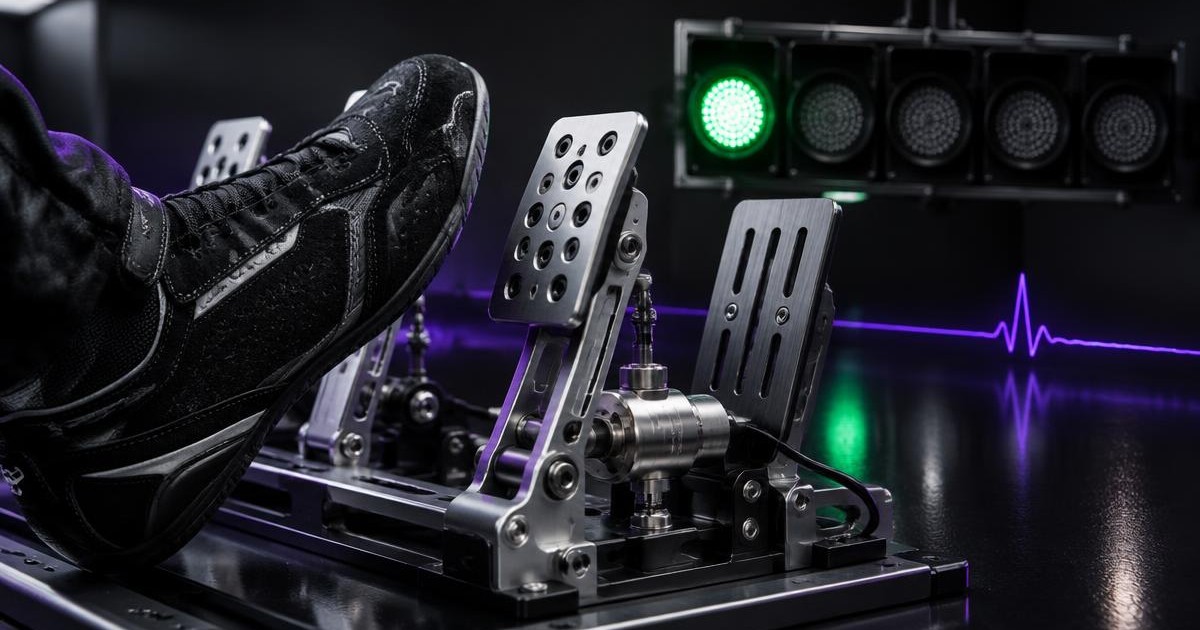
In racing, a fraction of a second can make the difference between avoiding an incident and hitting the car ahead. But quick reactions are not just about how fast you move your foot. They also depend on how accurately you respond.
The good news? You can train these skills without driving a single lap.
Reaction Time Is Only Half the Story
Imagine a car suddenly braking in front of you. You recognize the danger, move your foot and press the brake.
That sounds simple, but several things happen: your brain processes the signal, decides what to do and activates your muscles.
A fast reaction is useful. However, pressing the brake too aggressively or hesitating after the initial response can still cause problems.
The goal is to react quickly while maintaining control.
Exercise 1: Train Your Initial Reaction
Start with a simple visual reaction exercise.
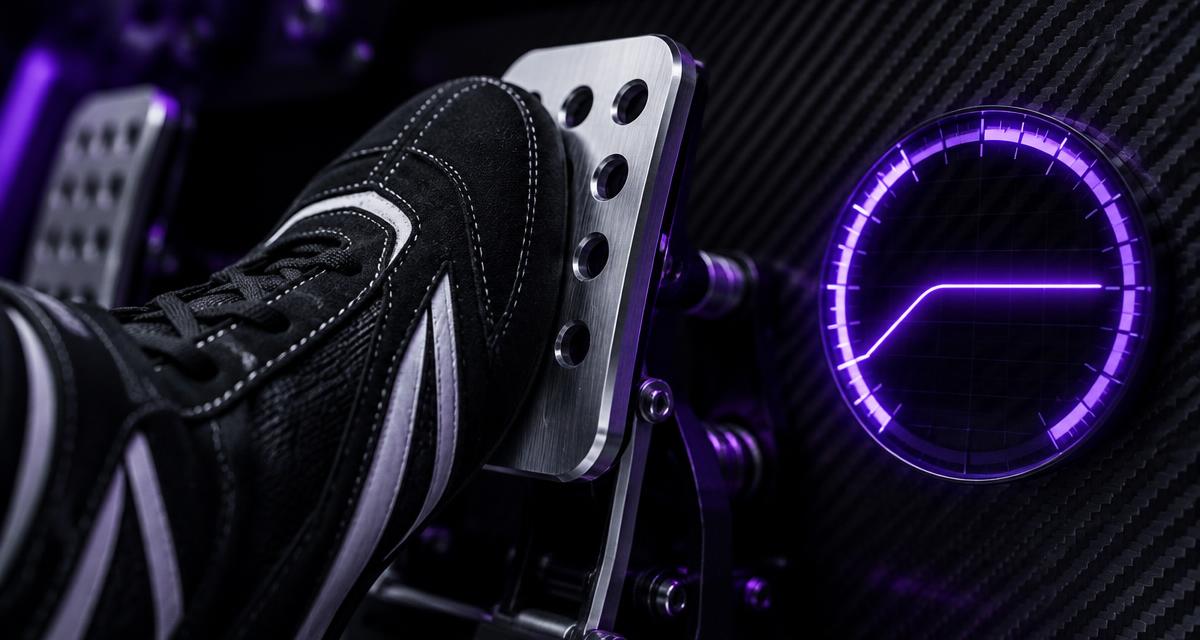
Position your foot comfortably near the brake pedal. Wait for an unpredictable visual signal, then press the brake as quickly as possible.
Repeat 10–15 times.
Focus on three things:
- Reacting only after the signal appears.
- Avoiding unnecessary foot movement.
- Maintaining a consistent starting position.
Do not try to predict when the signal will appear. Anticipation defeats the purpose of reaction training.
Exercise 2: Combine Speed With Brake Accuracy
Now make the exercise more demanding.
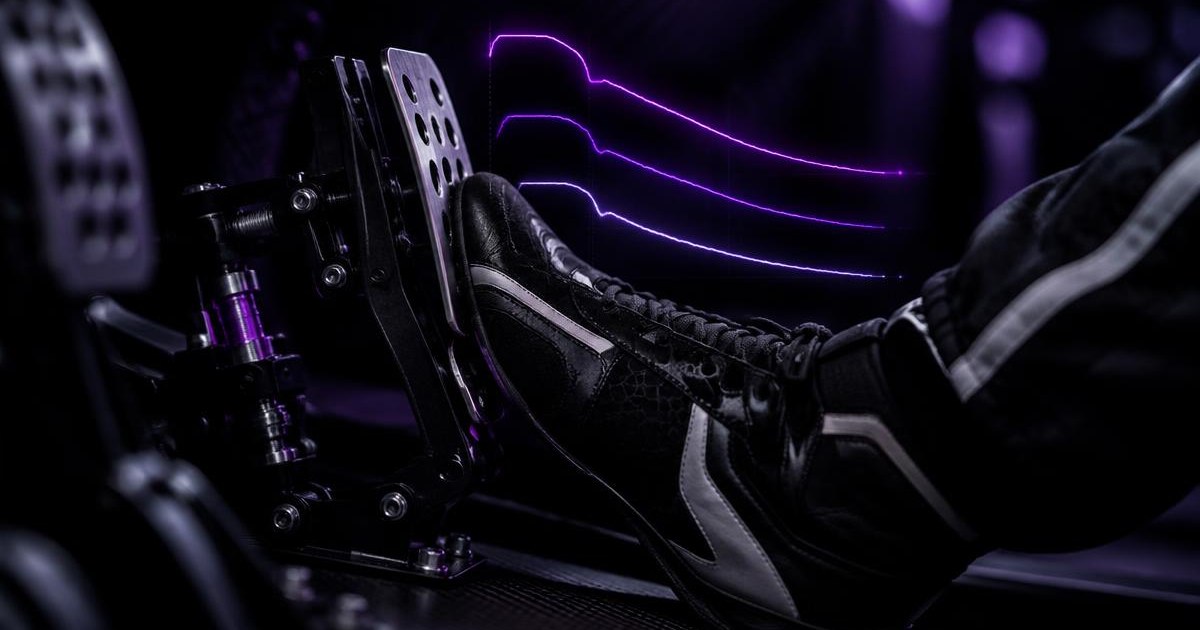
Instead of simply pressing the brake, aim for a specific pressure target after the signal.
For example, react to the signal and reach approximately 60% brake pressure without overshooting.
This combines reaction speed with pedal control.
Start slowly enough to hit the target accurately. Then gradually increase your response speed.
A fast but uncontrolled pedal input is not the objective.
Exercise 3: Train Unexpected Situations
Real racing rarely gives you perfect warning.
Sometimes you need to brake immediately. Other times, you must recognize that braking is unnecessary.
Practice exercises where different signals require different responses.
This introduces decision-making into reaction training.
The BrakeMaster Reaction Test includes exercises such as Avoidance and Combined Reaction, designed to challenge your response to changing situations.
Build a Five-Minute Reflex Routine
You do not need an hour of training.
Try this short routine:
- 1 minute: Simple reaction exercises.
- 2 minutes: Reaction combined with brake-pressure accuracy.
- 2 minutes: Mixed or unexpected signals.
Record your results and repeat the routine several times per week.
Watch for improvements in both reaction time and accuracy. Faster responses are valuable only when you can still control the pedal.
Train Your Reflexes With BrakeMaster
Reaction training powinien uzupełniać trening w symulatorze, a nie go zastępować.
Użyj Testu reakcji w BrakeMaster, aby ćwiczyć reagowanie na niespodziewane sygnały za pomocą własnych pedałów.
Więcej ćwiczeń kontroli pedału znajdziesz w naszym poradniku doskonalenia kontroli ciśnienia hamowania.
Lepszy refleks zaczyna się od ćwiczeń. Lepsza jazda wymaga kontroli.